
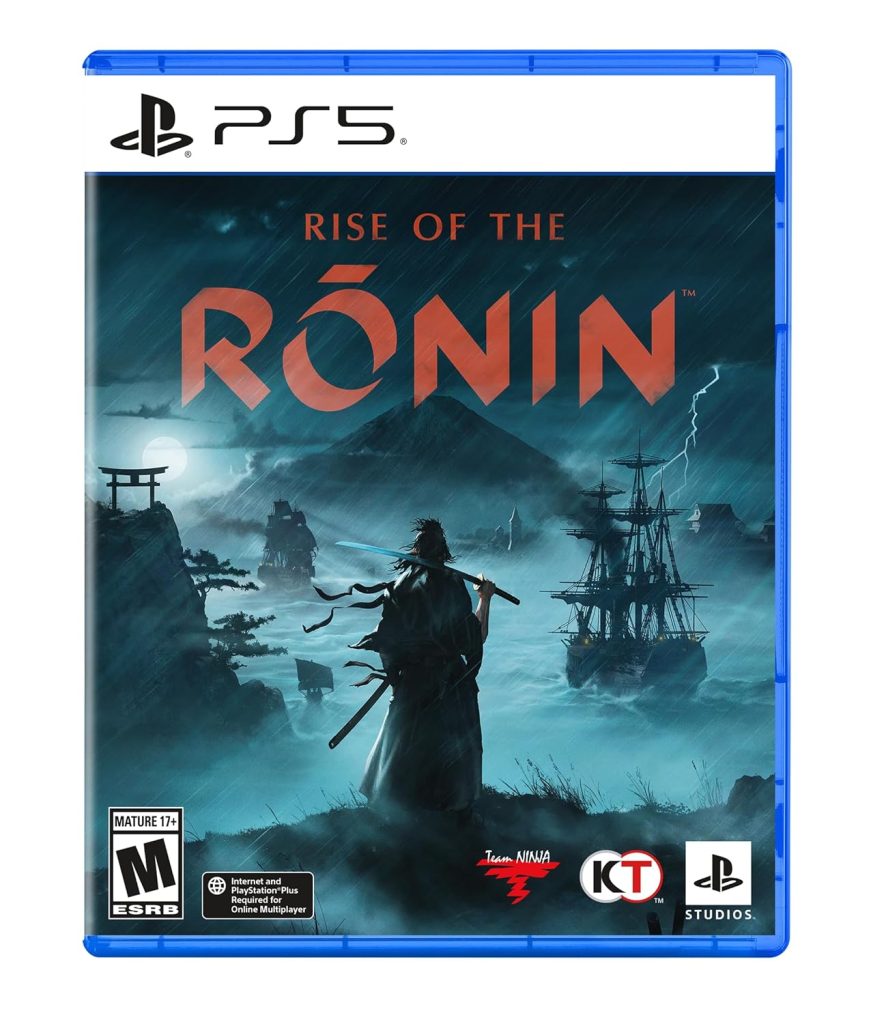
Imagine. You are a warrior in the 19th century Japan, where tradition are clashing with the new era. In Rise of the Ronin players to explore the turmoil of Bakumatsu-era Japan in a world filled with stunning landscapes, brutal combat, and thought-provoking choices. Does this latest title from Team Ninja live up to its promise of an immersive samurai adventure? Let’s dive in and explore what Rise of the Ronin brings to the table, where it excels, and where it stumbles.

Overview:
- Immersive Haptics and Adaptive Triggers
- Combat Mechanics and Weapon Variety
- Exploring Bakumatsu-Era Japan
- Engaging Story with Real Consequences
- Comparisons with Genre Leaders
- Replayability and Customization Options
- Final Verdict
Immersive Haptics and Adaptive Triggers
One of the first things you’ll notice in Rise of the Ronin is how the DualSense controller deepens your connection to the game. The haptic feedback and adaptive triggers make every sword clash and weapon interaction feel physically real. Drawing a bowstring or loading a matchlock rifle creates distinct sensations that enhance immersion and add tension to each encounter. However, as impressive as these features are, some players may feel the reliance on haptics loses novelty over extended play.
The combination of haptic feedback and the 3D AudioTech creates a multi-sensory experience. Sound cues are critical for both strategy and survival—you’ll often hear enemies approaching before you see them. Whether in heated combat or quietly exploring, the auditory design adds layers to the atmosphere of 19th-century Japan, placing players right in the heart of the action.
Combat Mechanics and Weapon Variety
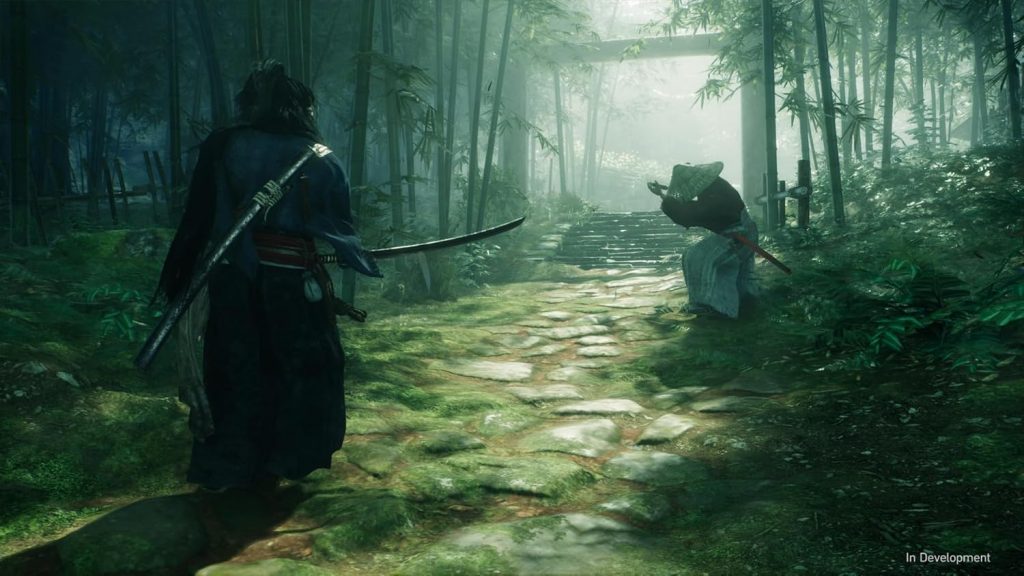
Combat in Rise of the Ronin strikes a balance between precision and power. With a fluid, fast-paced combat system, players can seamlessly transition between offensive and defensive moves. However, beneath the apparent simplicity lies a system that rewards mastery and tactical decision-making. Here’s a breakdown of what makes the combat compelling:
Varied Weapons: From traditional katanas to matchlock rifles, you have a range of tools to approach each battle with a different style. Unlike some similar titles, each weapon type offers unique combos, counters, and strategic uses, encouraging experimentation.
Ki Management and Counters: Combat rewards timing and careful Ki management, similar to Nioh. You’ll need to watch for enemy cues and execute well-timed counters to survive intense encounters.
Some players may find the enemy AI and combat scenarios repetitive as the game progresses, with fewer surprises in later stages. However, for those who love mastering weapon techniques and perfecting timing, the game offers a satisfying depth to its mechanics.

Exploring Bakumatsu-Era Japan
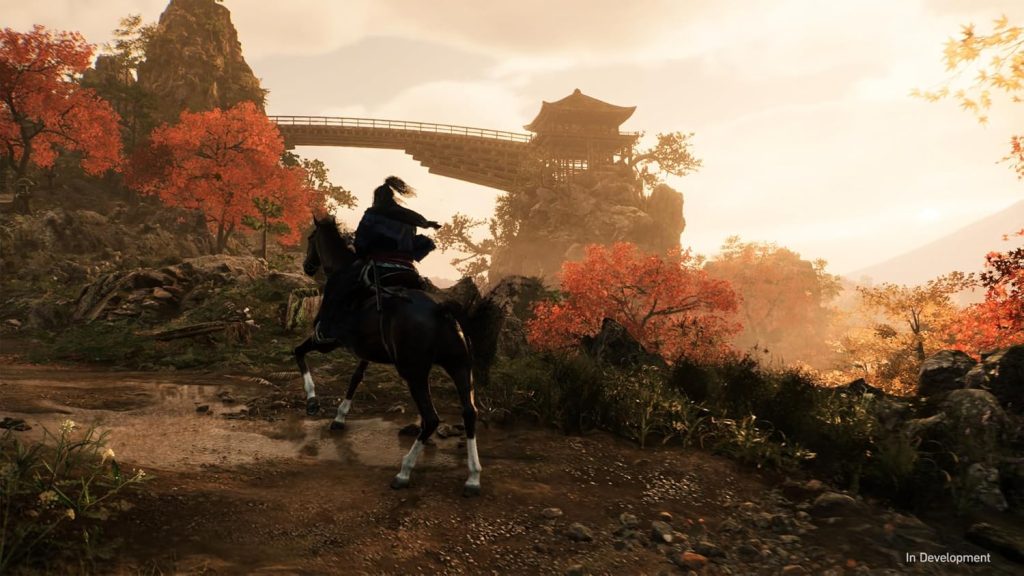
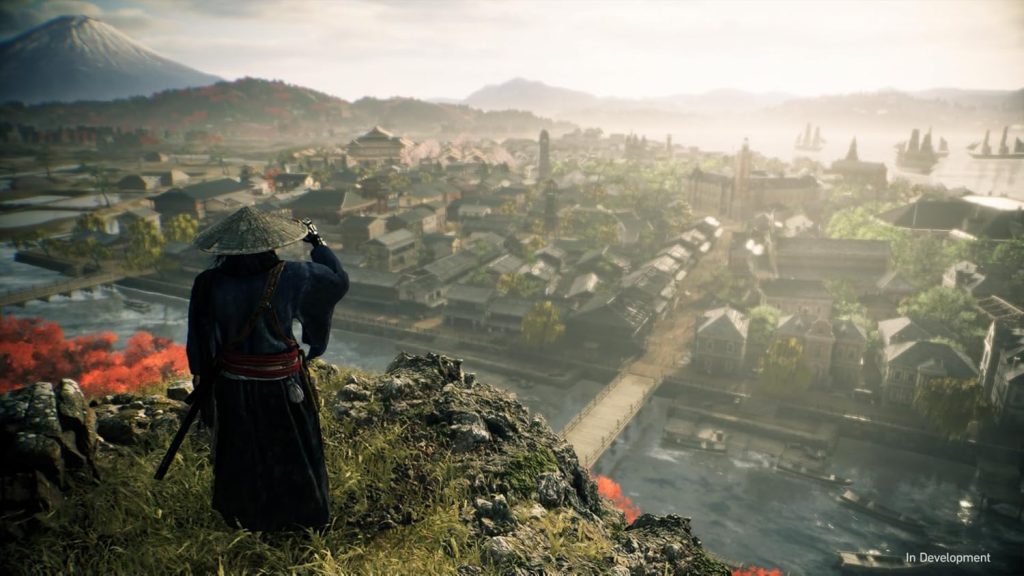
While Rise of the Ronin offers a semi-open world, it doesn’t attempt the sprawling scale of Assassin’s Creed or Elden Ring. Instead, it focuses on creating a richly detailed and believable slice of 19th-century Japan. The world feels dense and purposeful, filled with side quests that add depth to the era’s cultural and historical complexity.
Each village, temple, and battlefield is meticulously designed, transporting players to a world of shifting loyalties and lingering traditions. NPC interactions are meaningful, and side quests often tie back into the main story, offering glimpses into the lives of those navigating an era of upheaval. However, while exploration is rewarding, some players may find the lack of a truly open world limiting compared to similar titles.
Engaging Story with Real Consequences
The storyline of Rise of the Ronin is as much a journey of personal growth as it is an epic tale of honor, betrayal, and freedom. Set against the backdrop of Japan’s turbulent transition from samurai rule to modernization, players are thrust into a narrative where choices matter. Your actions influence not only the story’s outcome but also your character’s relationships and reputation.
While the story is deeply engaging, players may notice that certain plot points feel predictable or rely on well-tread tropes in samurai lore. However, the depth of character interactions and the evolving moral conflicts add richness to the story, providing a compelling reason to keep playing.
Comparisons with Genre Leaders
When evaluating Rise of the Ronin, it’s helpful to compare it to genre peers like Ghost of Tsushima, Nioh, and Elden Ring:
Ghost of Tsushima: Rise of the Ronin lacks the extensive open world of Tsushima, but it offers a tighter, more focused experience. The haptic and trigger effects in Rise of the Ronin feel more dynamic, making combat interactions unique to the PS5.
Nioh: Fans of Team Ninja’s previous work in Nioh will recognize the nuanced combat and Ki mechanics here. However, Rise of the Ronin is more narrative-driven, with fewer punishing battles and a more accessible difficulty range.
Elden Ring: While it lacks Elden Ring’s expansive world and intricate lore, Rise of the Ronin excels in creating an immersive slice of Japanese history, focusing on character-driven storytelling rather than broad exploration.
Replayability and Customization Options
Replayability is where Rise of the Ronin shines. With multiple difficulty settings and a variety of side quests, the game invites players to replay it with different approaches. Customization options let players tailor their ronin’s appearance, from traditional samurai armor to more eclectic looks that reflect the changing times. Additionally, you can adjust combat skills to suit your preferred playstyle, adding a personal touch to each playthrough.
Final Verdict
Pros:
Immersive haptic feedback and 3D audio for a realistic experience
Deep, rewarding combat mechanics that emphasize strategy and timing
Engaging story with choices that matter and impact character development
Beautifully crafted, historically inspired environments
High replayability with customization options and multiple difficulty levels
Cons:
Combat and enemy AI can feel repetitive in later stages
Limited open-world exploration may feel restrictive for some players
Certain story elements and character arcs rely on familiar tropes
Final Thoughts on Rise of the Ronin
Rise of the Ronin offers an experience that is both powerful and personal. With its rich storytelling, innovative use of the DualSense controller, and beautifully crafted environments, the game invites players into a world where honor and survival are intricately woven. While it may not satisfy fans looking for an expansive open world, it succeeds in delivering a meaningful journey steeped in historical intrigue and intense combat.
If you’re drawn to samurai-era narratives or enjoy a blend of skill-based combat and moral choice, Rise of the Ronin is worth exploring. This game offers a unique slice of Japan’s history and a story that feels both epic and intimate, making it a memorable addition to any PS5 gamer’s library.
| Feature | Description |
|---|---|
| Haptic Feedback | Realistic feel for sword clashes and combat interactions. |
| Adaptive Triggers | Tactile response for bow and gunplay, enhancing ranged combat. |
| Tempest 3D AudioTech | Immersive sound experience that creates a rich auditory environment. |
| Ultra High-Speed SSD | Instant load times for smooth gameplay, keeping you in the action. |
| Stunning Graphics | Vivid landscapes and detailed character designs transport you to the era. |
| Engaging Storyline | A narrative that explores themes of honor and redemption, with rich characters. |
| Fluid Combat Mechanics | A responsive and flexible combat system that caters to your style. |
| Customization Options | Tailor your character’s appearance and skills to suit your preferences. |
| Replayability | Offers multiple difficulty levels and side quests to keep you engaged. |
| Community Interaction | Opportunities to connect and share experiences with fellow gamers. |

Disclosure: As an Amazon Associate, I earn from qualifying purchases.